
This Is How To Find The Most Secure Mobile Wallet For Cryptocurrency Without Losing Your Mind
What Is A Crypto Wallet Anyway
I keep meeting people who think a crypto wallet holds coins like a leather pocket wallet holds cash. It doesn't. A crypto wallet is a piece of software that stores info, mostly two things: a public key and a private key. The coins themselves sit on the blockchain, not in the wallet. The wallet just holds the keys that let you move the coins around. Think of it like a browser for the blockchain. You don't store the web inside your browser, you just use it to look at and touch the web. Same deal here.
The public key is like a routing number. You give it to people so they can send you funds. The private key is like your login info. If someone gets it, they can sign transactions and send your coins away. Most blockchains show wallet balances to the public, but they don't show your real name. So everyone can see a wallet has 5 bitcoin, but no one knows it's your cousin Steve. If you lose your private key, the coins are still there on the chain, but they might as well be sunk in the ocean. You can't get them back.
If you don't have your keys, you don't have your bitcoin.
That saying gets tossed around a lot, and it applies to all crypto, not just bitcoin. When you keep coins on an exchange, the exchange holds the keys. When you use a self-custodial wallet, you hold the keys. The trade-off is simple: with your own keys, no one can freeze your funds, but if you mess up, no support line can fix it. You're the bank, the vault, and the guy who loses the combo.
Your Private Key And Seed Phrase
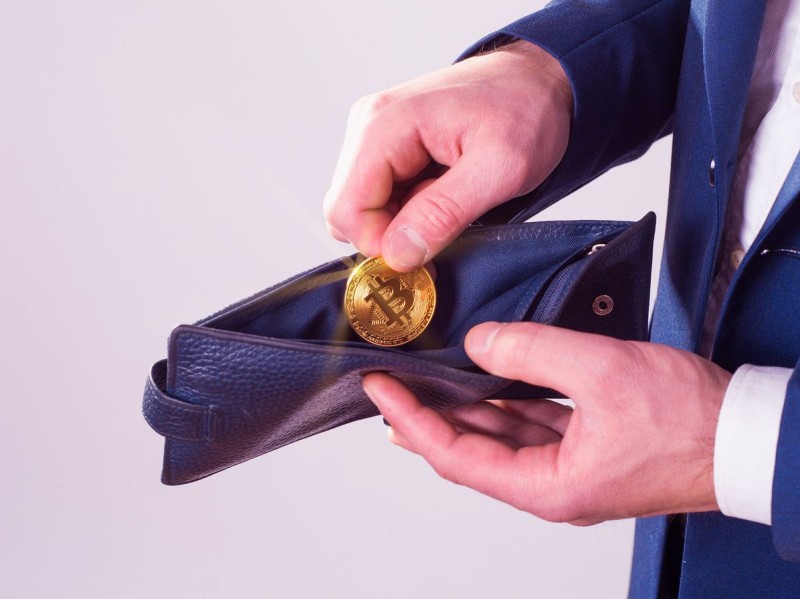
The private key is the whole ballgame. It proves you own the coins and lets you send them. In almost every wallet type, the key is under your control, unless you store coins on a marketplace or exchange where they hold the keys for you. Managing your own keys means the coins are fully your responsibility. Make a mistake and they can be gone for good. No customer service can undo it. But you also don't have to trust any third party, which is the whole point for a lot of folks.
Then there's the seed phrase. It's usually 12 or 24 words made when you create a wallet. This list is a big deal. It gives access to your private keys and works as a backup if you can't open the wallet the normal way. Non-custodial wallets let you pick your own seed phrase. Write it down on paper, hide it somewhere safe, and never type it into a website. A hacker who gets your seed phrase gets your coins. It's that plain.
Storing this list safely is extremely important because it gives access to the private keys.
Hot Wallet And Cold Wallet Basics
People split wallets into groups by how they connect. The big split is hot wallet and cold wallet . Hot means online. Cold means offline. There's also a warm type that sits in between, but we'll get to that. Most hacks hit hot wallets because they're always talking to the internet. Cold wallets are harder to reach because they're not online. For everyday small spends, hot is fine. For big savings, cold is the safer bed.
Two main ways wallets connect
- Hot wallet: connected to the internet, fast but more open to attack
- Cold wallet: kept offline, slower to use but much harder to hack
- Warm wallet: online keys but a human must sign each send
- Self-custodial: you hold the keys in any of the above types
The source puts it simple: hot wallets store private keys on a device that touches the net. Even with good encryption, bugs happen. Most big crypto thefts have hit hot wallets. So the rule I follow is keep only a little in a hot wallet, like coffee money, and park the rest in cold storage.
Hot Wallets Up Close
Hot wallets come in a few shapes. Online wallets are easy but run by third parties, so less safe. Desktop wallets live on your PC and if the machine gets malware, your keys can leak. Web wallets run on a server and need no download. Browser extensions keep keys with you and do the work in the add-on. Software wallets in general need internet to talk to the chain. Examples from the source are 1inch Wallet and MetaMask. They're fast, free, and full of features, but they can catch malware from your device.
Common hot wallet types
- Online wallets: easy, third-party controlled, less safe
- Smartphone wallets: app on your phone, use anywhere, limited room
- Desktop wallets: on one computer, risk if PC crashes or gets infected
- Web wallets: run on dev servers, open in browser, no install
- Browser extensions: keys stay with you, work inside the browser
The upside is speed. You can trade and send in seconds. The downside is you're only as safe as your password, your device, and your own click habits. Two-factor auth helps a lot. But don't keep your life savings in a hot wallet. That's like leaving your rent cash on the bus seat.
Cold Wallets And Why They Feel Safe
Cold wallets don't touch the internet. That alone shuts out most remote attacks. The two common kinds are paper wallets and hardware wallets. A paper wallet is just your keys printed on paper. Safe from hackers, but fire, water, or a lost drawer can kill it. You can't send from it directly, you sweep it into software first. Hardware wallets are little devices, like a USB stick. Ledger and Trezor are the big names. They keep keys offline and confirm sends on the device itself.
The source calls hardware wallets the most secure wallet for long-term storage. They cost around 50 to 200 euros, which is cheap insurance if you hold a lot. They often have a PIN, a screen, and sometimes biometrics. You write down the seed phrase on paper and keep it apart from the device. Even if a thief gets your seed, they still need to know where you hid it. Don't tape it to the device, that's just silly.
Hardware wallets are generally considered the most secure wallet for long-term storage.
Warm Wallets Sit In The Middle
Warm wallets act like hot wallets but add a step. Keys stay online and transactions can be set up automatic, but a real human must sign and send them to the chain. Compared to cold wallets, they're faster but still need you to okay each move. The Fortanix non-custodial warm wallet is one example. It's a managed service for businesses, using a second factor like a one-time code. The point is to cut the trust gap: even if the backend is hacked, your coins don't move without your okay.
For a regular person, the warm idea matters because it shows a simple truth. The more a wallet forces you to slow down and confirm, the harder it is for a thief to drain you while you sleep. But most of us won't run a warm wallet setup. We'll pick hot for spend, cold for save, and maybe a mix.
Custodial Versus Self-Custodial
A custodial wallet is when a third party holds your keys. Think Coinbase, Binance, Gemini, Northcrypto. They act as the keeper. The plus is if you lose access, they can help restore it. The minus is they can block you, get hacked, or go broke, and your coins can vanish. That's where the "not your keys, not your coins" line comes from. A self-custodial wallet means only you hold the keys. No middleman, no freeze, no KYC sign-up. But if you lose the password and keys, no one can get it back.
Custodial or self-custodial
- Custodial: exchange holds keys, can restore access, but third-party risk
- Self-custodial: you hold keys, full control, no freeze, total responsibility
- Non-custodial examples: 1inch Wallet, MetaMask, Trust Wallet, hardware wallets
- Casa: non-custodial, never sees all your keys at once
The source notes self-custodial wallets are getting more popular as DeFi grows. People like not having a company between them and their money. But with that freedom comes the job of being your own security guard. Lock the door, hide the key, don't tell the internet your seed.
Multisig And HD Wallets
A multisig wallet needs more than one sign-off to send coins. It's a smart contract with set owners. Good for groups, DAOs, or just cautious people. Casa offers a 3-key setup where you need 2, and a 5-key setup where you need 3. That way one lost key doesn't sink the ship. An HD wallet, short for hierarchical deterministic, makes many addresses from one seed. It hides your reuse and stays safe even if you lose a backup of one key. Examples are 1inch Wallet, MetaMask, and Ledger.
A multiple-key solution is best for storing bitcoin or ethereum to prevent single point of failure.
These aren't just nerdy extras. They solve a real problem: what if one device dies or one key leaks? With multisig and HD, you don't lose everything in one bad day. If you hold a serious amount, look at both. They turn a single point of failure into a web of checks.
Mobile Wallets And What To Watch
A mobile wallet is just a smartphone app. It's a hot wallet, so it's online. The big plus is you always have it, you can pay fast, scan QR codes, and many have a built-in browser for DeFi. Popular ones include Trust Wallet, Exodus, and mobile versions of MetaMask, Phantom, and 1inch Wallet. The downside is weaker security than hardware, plus the risk of losing the phone. So don't park your life savings in one.
You can find a best crypto wallet for mobile by checking for solid code, frequent updates, and a self-custodial model. Many good cryptocurrency apps now use PIN, fingerprint, or face unlock, plus backup and restore. If you want a best wallet application for daily use, pick one with those and turn on two-factor. And if you need a bep20 wallet app for that token type, make sure the app lists BEP20 support before you send anything.
Mobile wallet ups and downs
- Always with you, fast to pay, free to install
- Scans QR, opens DeFi, easy to use
- Weaker than hardware, open to online risk
- Loss of phone can mean loss of access if no backup
- Keep small amounts, use cold for the bulk
Self-custodial mobile wallets skip the middleman and need no ID docs to make. That makes them less tasty to hackers who target big custodians. But the phone is still a small glass brick that can fall in a lake. Treat it as pocket money, not the vault.

Finding The Most Secure Mobile Wallet For Cryptocurrency
So how do you actually find the most secure mobile wallet for cryptocurrency ? The source says it usually means self-custodial, offline-friendly, and audited like Tangem. You want a wallet where you hold the keys, where you can keep most funds off the hot phone, and where some outside firm has checked the code. Tangem is one such case. An independent audit by Cure53 confirmed the Tangem Mobile Wallet for Android and iOS meets production-level security.
Tangem AG makes hardware wallets and non-custodial software. They are not a bank or exchange, they don't hold your assets. Their app supports Bitcoin, Ethereum, Solana, XRP, and Tether, among others. For someone who wants a free cryptocurrency wallet app that has been looked at by pros, Tangem is a name to note. Just remember: audited code is good, but you still must protect the seed.
The most secure mobile wallet for cryptocurrency usually means self-custodial, offline-friendly, and audited like Tangem.
If you're scanning the stores for top crypto wallet apps , don't just trust the chart order. Read who made it, if it's self-custodial, and if it had a real audit. A best digital crypto wallet on your phone is the one that keeps your keys with you and doesn't phone home with your seed.
Hardware Wallets As Cold Storage
The source is clear that a hardware wallet, a cold wallet, is generally the most secure for long-term storage. It keeps the private key offline on a stick-like device. You plug it in or use Bluetooth to sign. Viruses on your PC can't easily reach the key. Ledger and Trezor have the best-known spot in the market. Casa notes these are hard to exploit without the device in hand. Hackers go for easier fruit.
Price around 50 to 200 euros makes sense if your holdings are bigger than that. If you have 20 euros of coin, a hardware wallet is overkill. But if you have any real stack, it's cheap peace of mind. Use it for the bulk, and a hot or mobile wallet for the small stuff you spend.
Security Features That Actually Matter
Wallets stack up layers. Encryption like AES-256 protects keys on the device. Two-factor auth adds a second check. Multi-signature needs more than one okay. HD features cut address reuse. Offline support keeps keys off the net. The source says user error is the top way coins leave. You send to the wrong person, they don't return, and it's gone. So slow down before you hit send.
Best practices from the source
- Use latest software, back up keys, strong passwords
- Turn on 2FA, consider multisig for big funds
- Store seed phrase offline, never in email or cloud
- Use hardware for bulk, split across wallets
- Watch for fake sites asking for your seed
Phishing is the big threat. Attackers fake sites to trick you into giving the seed. One report cited phishing as a top breach method. It hits software wallets hot or cold if you hand over the words. So the rule is boring but true: no one legit ever asks for your seed. Not support, not a giveaway, not your "exchange."
Wallet Providers In Plain Terms
Let's name some names from the source so you know who's who. Fortanix runs a non-custodial warm wallet as a service. Casa does multi-key non-custodial for bitcoin and ethereum. Tangem makes hardware and an audited mobile app. Ledger and Trezor are the leading hardware makers. MetaMask, Trust Wallet, Exodus, Phantom, and 1inch Wallet are software or mobile self-custodial options. Northcrypto is a regulated exchange where keys are not yours.
If you want easy crypto wallets , the mobile apps above are a start. They install fast and show a clean screen. But easy and safe are not the same. The safe path is self-custodial plus a hardware backup plus good habits. A buying crypto on cash app style step puts coins in a custodial spot, so move them to your own wallet when you can.
Choosing What Fits Your Life
The right wallet depends on you. Trade often? A hot wallet gives fast access. Big amount and safety first? Cold is the pick. Use both to spread risk. Non-custodial gives you ownership but the job of care. Custodial is easy but puts your coins in stranger hands. For high amounts, cold hardware plus multisig is the strong play. Mobile is great but keep it light.
When I read the source, the line that stuck is this: the most secure mobile wallet for cryptocurrency often means self-custodial, offline-friendly, and audited like Tangem. That's a solid sniff test. If a wallet fails those, it might still be okay for coffee money, but not for the pile you can't afford to lose.
Use both hot and cold to manage risk. If one private key is lost, not all assets are lost.
And hey, don't skip the seed phrase part. I know it sounds like boring paper work, but it's the difference between a bad day and a ruined life. Write it, split it if you want, hide it. Then go enjoy the weird and open world of crypto without white-knuckling your phone.

Comments on “This Is How To Find The Most Secure Mobile Wallet For Cryptocurrency Without Losing Your Mind”
No comments yet. Be the first to share your thoughts.