
- Bitcoin, the big slow one everyone knows
- Ethereum, the one with little programs on the chain
- Litecoin, the quicker cheaper cousin of Bitcoin
- Dash, the one built for fast everyday spending
How To Get Started With Crypto Currency Without The Usual Confusing Jargon (A Guide For People Who Have Better Things To Do)
14 October, 2026
0 comments
How To Get Started With Crypto Currency Without The Usual Confusing Jargon
Crypto feels like a weird fever dream and it confuses the heck out of most people. I get it. The words sound made up and the whole thing looks like a screen saver with money attached. But you don't need a computer science degree or a week of lost sleep to figure out how to get started with crypto currency. You just need someone to say the boring parts in plain words.
The short version is this: crypto is digital money that lives on a shared public record called a blockchain. No bank sits in the middle. No government prints it. The record is kept by a big network of computers and once something is written there, it stays. If you want the simple cryptocurrency what is answer, that's it. A coin is just a line in that record saying you own some.
What Is A Coin Made Of
When people ask me how do crypto currencies work I tell them to picture a notebook everyone can see but no one owns. Every time someone sends coins, a new line gets added. A bunch of lines get bundled into a block. Computers called miners do hard math to seal the block and tack it onto the chain. That's the whole trick. No magic, just math and a lot of copies.
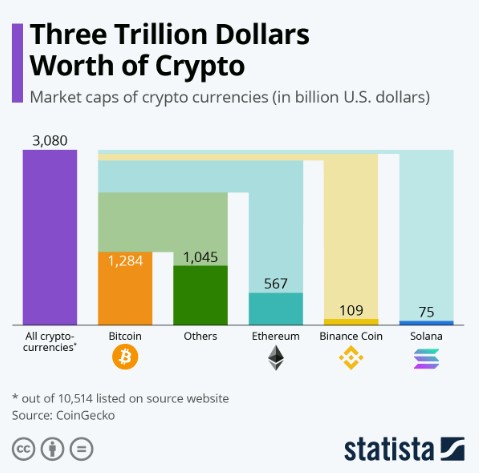
Bitcoin is the famous one. It showed up in 2009 and still eats about half the whole market. Ethereum came later, in 2015, and lets people run little programs on the chain. Litecoin started in 2011 and is quicker and cheaper to move. Dash is built for fast daily spending. IBAT is a game token you can ignore until you care about that game. For learning crypto for dummies the smart move is to pick one boring coin and learn that one well.
Coins a normal person can start with
Why People Even Use This Stuff
You might wonder what are bitcoins used for in real life. Some folks buy things from shops that take it. Some send it to family far away without a bank taking a cut. Most people just hold it and hope the price goes up. A few get paid in it through crypto payroll, which we'll touch on later. The point is coins are not just for jokes, they do actual jobs.
Bitcoin is operated on a decentralized computer system called a blockchain by large computer systems called miners.
Picking Your First Coin
Don't go hunting for a frog logo token with a funny name. That's how rent money disappears. Start with Bitcoin or Ethereum if you want the safe boring path. They have the most users, the most docs, and the most ways to buy and sell. Litecoin and Dash are fine too if you like faster payments. The key is to keep it small and simple.
A lot of new folks ask me about best wallet for mining before they even own a coin. Relax. You don't mine on day one. You buy a little, you store it, you learn. Mining is a different game and most people never touch it. Get comfy with owning first.
Buying Your First Coins
To buy, you need normal money first. Dollars, euros, whatever. Then you sign up on an exchange. Coinbase and Robinhood are easy to use and good for beginners. eToro works for Ethereum. Binance and Crypto.com list IBAT. The sign up takes a few business days because they make you prove who you are with an ID and a bank statement. Hey, don't skip this part, the wait is normal.
If you hate waiting, there are gateways like MoonPay, Transak, and Simplex that let you pay with a card or bank and get coins fast. Fees vary, some around 4.5% for cards, less for bank moves. Just read the screen before you click. And only ever use a name you've heard of or one a friend you trust has used.
Ways to get coins
- Central exchange like Coinbase or Robinhood
- Ethereum spot on eToro with fiat deposit
- IBAT trade on Binance or Crypto.com
- Card buy through MoonPay or Transak gateway
Storing Coins Without Losing Them
Once you own coins you need a place to keep them. This is where wallets come in. A hot wallet is online, like an app on your phone or a wallet on an exchange. A cold wallet is offline, like a paper slip or a hardware stick. Cold is safer for long stays. Hot is fine for small day-to-day use. Don't overthink it, just don't leave a fortune on a phone.
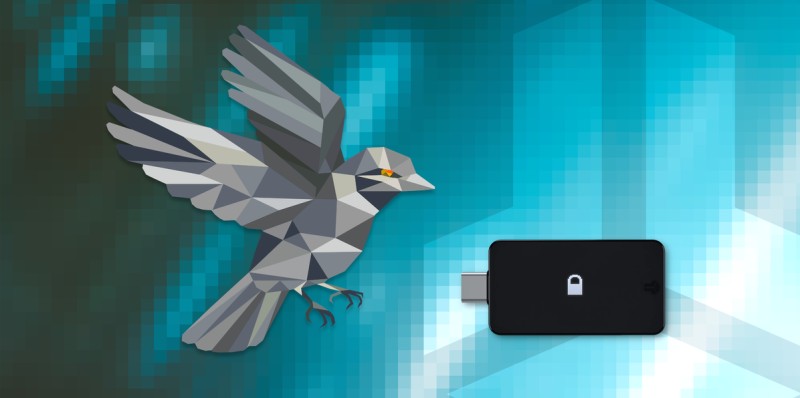
If you want the straight talk on what is safest crypto wallet , it's a hardware cold wallet you control. The popular one is Ledger Nano S. It holds your private keys on the device and keeps them off the net. Paper wallets are free and safe from hackers but easy to lose in a fire. A free bit coin wallet app is okay to start, just treat it like the cash in your purse.
Kinds of wallets
- Exchange wallet, easy but not safest long term
- Mobile wallet, keep only spend money there
- Desktop wallet, risky if your PC gets sick
- Paper wallet, paper with keys, store in a safe
- Hardware wallet, cold and sturdy, the safe bet
Never show or send private key to anyone.
On Cold Storage And Keys
The safest way to store cryptocurrency is to keep most of it where the internet can't reach. That means paper or hardware. The private key is the secret that lets someone move your coins. The address is safe to share. The key is not. Write it down, lock it up, and never type it into a weird site.
People also ask me about best trezor cold wallet and how it stacks up. The common compare is trezor vs ledger wallet . Both are hardware cold wallets. Trezor is one brand, Ledger is another. Either keeps keys offline. Pick the one your friend uses so you can beg them for help at 11pm. The brand matters less than you actually using it and not losing it.
You should never delete a wallet. - Satoshi Nakamoto
How Much To Put In
Please do not torch your rent money on a coin. A common plan is to keep crypto small, like 1% to 5% of your savings. One writer kept 98% in stock index funds and 2% in crypto, calling that the sweet spot. The gap between 1% and 2% is tiny. The jump from 2% to 5% adds real risk. Keep it silly small while you learn.
Some folks set rules to buy or sell when the slice gets too big or too small. That takes the panic out. A simple sheet can flag when to act. The point is not to outsmart the market. The point is to not let a weird coin wreck your calm.
Rules that keep you sane
- Only use money you can lose
- Start with 1% to 2% of savings
- Buy slow, don't chase a green candle
- Move profits back to boring funds
Getting Paid In Crypto
Some companies pay workers in stablecoins like USDC or USDT. Those are pinned to the dollar so the paycheck doesn't jump around. Others pay in BTC or ETH and let you swap later. A platform like Rise handles the papers, the tax docs, and the payouts across many countries. It's a real use case, not just speculating.
If a job pays you this way, you don't need to understand every line. You just need a wallet to catch the coins and a plan to cash out what you need. Stablecoin pay is easier on the nerves than volatile coin pay. Ask the company which coin hits your account before you say yes.

Why The Price Bounces
Bitcoin price moves on supply and demand, use, and guesswork. If more people want it than want to sell, price climbs. If no one wants it, price drops. Companies taking it as payment helps demand. Bets on big firms joining later also move the number. None of this is backed by earnings like a stock, so the ride is rough.
Long ago Bitcoin was in the low tens of thousands, then it dipped under twenty thousand, then years later it passed one hundred thousand. Those are past facts, not a promise. The takeaway is that the line goes up and down a lot. Don't read one good week as a sign you're a genius.
Some smart people will figure out some useful things with crypto, and I do not want my FOMO to affect other aspects of my financial plan.
Dash And The Quiet Option
Dash is a digital cash built so people can pay fast and private. Transactions confirm in seconds for almost no fee. You can grab a wallet from dash.org and start sending. It funds its own development by setting aside part of each block reward for approved ideas. That's a neat trick most coins don't do.
If you like the idea of coins that work like cash, Dash is worth a look after you've done the Bitcoin basics. It won't make you rich overnight and it isn't a joke token. It just wants to be money you can move without a bank watching.
Litecoin For Daily Spends
Litecoin is often called digital silver next to Bitcoin's digital gold. It confirms blocks about four times faster, so a coffee payment clears quick. The mining uses a different method that regular laptops can handle. Lots of shops take it now. If you want to try spending instead of just holding, this is a calm place to start.
You can buy Litecoin on most exchanges that list Bitcoin. The steps are the same: sign up, prove who you are, deposit money, buy, move to a wallet you control. Nothing fancy. The only new part is that moves are cheap, so testing a send to a friend won't cost you a burger.
Litecoin quick facts
- Started in 2011 by Charlie Lee
- Four times faster blocks than Bitcoin
- Low fee, good for small payments
- Uses Scrypt mining, friendlier to home gear
Ethereum And Little Programs
Ethereum is more than a coin. It runs smart contracts, which are tiny deals that fire on their own when conditions match. People build apps on it that no single boss owns. You buy it much like Bitcoin: pick an exchange that lists it, drop in fiat, trade for ETH, and store it in a wallet you trust.
The reason many like Ethereum is the crowd. Lots of coders, lots of users, and a market that doesn't flip out as hard as the small coins. If Bitcoin is the dull blue chip, Ethereum is the dull blue chip with extra gears. Good for a second coin once Bitcoin feels normal.
IBAT And Game Money
IBAT is the token inside the Battle Infinity game. Players use it to buy avatars and items. You can trade it on big exchanges, and you can earn some by promoting the game. The price is tiny and the supply is capped. Treat it like arcade tokens, not a retirement plan.
If a game you love uses a token, learn that one. But keep it separate in your head from real money coins. Game money lives and dies on the game's health. Fun is fine. Rent is not supposed to ride on it.
Common Slip Ups
The big one is sharing your private key. Don't. Another is keeping everything on an exchange that could freeze. Another is buying a coin because a stranger online yelled about it. Write your keys on paper, test small sends, and never delete a wallet even if it's empty. Old wallets surprise you years later.
Also, don't assume a hot wallet is safe because it looks slick. A free bit coin wallet on your phone is fine for lunch money, not for life savings. Move the big pile to cold storage and sleep better. The boring path is the one that keeps you off a true-crime podcast.
Don't do these
- Never send your private key to anyone
- Don't keep rent money on an exchange
- Don't buy a coin just because of hype
- Don't delete old wallets, keep them safe
A Simple Start Path
Here is the whole arc, dumb and short. Learn the basic idea. Pick one boring coin. Open an exchange or gateway. Prove who you are and add money. Buy a small amount. Store it in a wallet you control. If you get paid in crypto, use a payroll tool. If you invest, keep it tiny and rebalance on a rule.
That's really how to get started with crypto currency without the headache. No frog tokens, no panic, no lost keys on a sticky note. Just slow steps and a calm head. The tech is weird but the plan is not.
Exchange wallets: Robinhood and Coinbase both offer hot wallets for currencies they sell.
Keeping Your Calm
Crypto will test your nerves. The number moves while you sleep. Friends will tell you they got rich. Others will say it's all a scam. Your job is to stay boring. Small buys, safe storage, and a rule for when to sell. That's the whole game for a normal person.
I like to think of a hardware wallet as a piggy bank you can't shake open. And the exchange as the corner shop where you buy the coin. You wouldn't leave your life savings in the shop, so don't leave it on the exchange either. Move it home when the lesson sticks.

Comments on “How To Get Started With Crypto Currency Without The Usual Confusing Jargon (A Guide For People Who Have Better Things To Do)”
No comments yet. Be the first to share your thoughts.