
When You Buy Sell Cryptocurrency, Are You Investing Or Just Gambling With Extra Steps?

What Is Cryptocurrency And How It Works
I keep hearing people say "crypto" like it's a slot machine with extra steps. But it's really just a type of digital money. You don't need a bank or a government to use it. The whole thing runs on a network of computers that share the same record of who owns what.
That shared record is called a blockchain. Think of it as a book where every crypto move gets written down. Copies of the book sit on computers all over the world. Once a line is written, you can't erase it. This makes cheating hard, but not impossible. Bugs and hacks still happen, like with any tech.
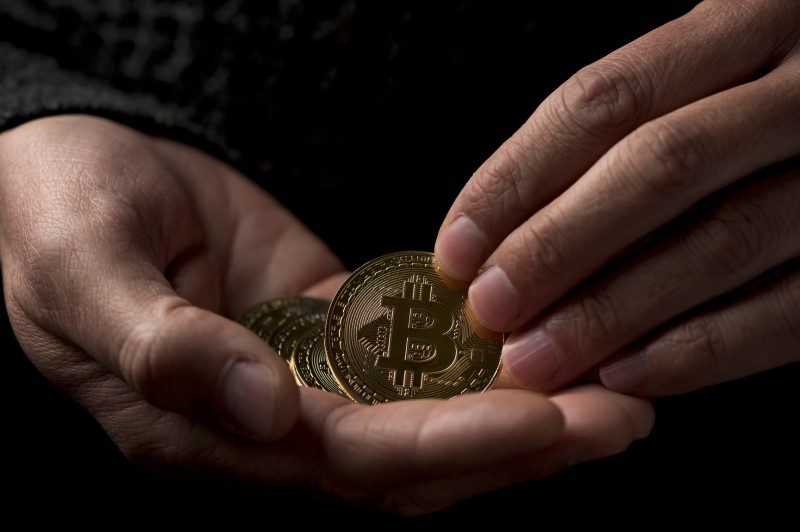
The first crypto was Bitcoin. It showed up in 2009. Ethereum came later and is the only other one most people call a real success. Governments don't see these as money though. They treat them like a commodity, kind of like stocks. When you buy sell cryptocurrency, you're not getting dollars in a bank. You're holding a token on a global ledger.

A small number of countries say certain cryptos are legal tender. Most don't. Legal tender is money a government says you must accept for debts and taxes, like the US dollar. Crypto usually sits outside that system. That's the part people either love or fear.
Types Of Cryptocurrencies And Popular Assets
There are thousands of cryptos out there. Anyone with some tech skill can make one and launch it as an initial coin offering. That's a fancy way to say "here's our new token, please buy it." Most will never matter. A few have real use and real users.
Bitcoin is still the big one by market value. It's capped at 21 million coins, which is why people call it inflation-proof. Ethereum is second and lets people build apps on its chain. Those apps can do smart contracts, which run by themselves when conditions are met. Solana, Litecoin, XRP, and Tether are other names you'll hear. Tether is a stablecoin, pinned to the US dollar so its price stays calm.
Coins you'll run into
- Bitcoin - the first and most held coin
- Ethereum - runs apps and smart contracts
- Solana - fast network for apps and payments
- Litecoin - made for quicker payments than Bitcoin
- XRP - built for cross-border bank transfers
- Tether - a stablecoin pinned to the dollar
Every coin tries to solve some problem. That problem is a big part of what gives it value. Some are for speed. Some are for privacy. Some are just for hype. When you buy sell cryptocurrency, know what the coin is actually for before you touch it.
How Crypto Compares To Traditional Money And Assets
Fiat money is what governments print. The US dollar and euro are fiat. A central bank like the Federal Reserve manages them. Crypto runs on decentralized networks, so no single group is in charge. That can mean faster transfers with fewer middlemen. But the protections you get from a bank may not be there.
Stocks are ownership in a company. ETFs hold a bunch of assets and trade like a stock. Gold is a physical store of value that pays nothing. Crypto sits next to these as another option, with new digital tricks but big risk. Compared to real estate, crypto has no property tax. Compared to stocks, you skip annual broker fees. The main costs are the exchange fee and capital gains tax when you sell.
Crypto does not generate dividends or interest; it only pays out if you sell for more than you paid.
Stablecoins are a special sort. They try to hold a steady value, often backed by dollars in reserve. Because the price stays near flat, people use them to move funds or pay. This is one reason some big payment networks have started to use them.
Uses Of Cryptocurrency Today
People use crypto in a few plain ways. They hold Bitcoin as a store of value. They use Ethereum to borrow or lend without a bank. They send money across borders in minutes instead of days. And they use stablecoins like a fast dollar between apps.
Crypto markets never sleep. They run 24/7, unlike normal exchanges with bank hours. You can send and receive funds without showing your name. That's a plus for some and a red flag for others. When you buy sell cryptocurrency, you're joining a system that doesn't close at five.
Buying And Selling Cryptocurrency: Exchanges, Wallets, Platforms
You can buy and sell cryptocurrencies on a cryptocurrency exchange, an online spot to trade coins for other coins or local money. A digital currency exchange is just a company that lets you pay with a card or bank transfer and then hold crypto. If you want to start, you'll look at exchanges to buy cryptocurrency that work in your area and feel safe.
Some platforms let you trade many coins. One lets you buy Bitcoin, Ethereum, XRP, and Litecoin with local cash and sell for Naira. Another app lets you start with just one dollar and round up small buys from daily spending. A big bank app may let you trade 300 plus coins. The largest crypto exchanges are where most volume happens, but size doesn't mean safe.
What a platform should show you
- Security steps like two-factor auth and cold storage
- Clear fees for trade, withdraw, and deposit
- Which coins you can actually trade
- Easy account setup with ID check
- Help docs that explain how to place an order
A crypto wallet holds your coins and your private key. That key is a secret string that proves the coins are yours. If you lose it or share it, the coins can be gone for good. This part is on you. No bank will reset your key.
When picking where to trade, people often ask what is the best trading platform for cryptocurrency for their needs. The answer depends on fees, coin choice, and how the app feels in your hand. A crypto exchange marketplace is just a busy place with many buyers and sellers, not a magic safe.
How To Start Trading Step By Step
First, choose a platform where you'll buy, sell, and store coins. Check their security and read about their fees. Then decide which coins fit your goal. Make an account with your name, email, and maybe ID. Fund it with a bank transfer or card. Then you can trade.
If you're new, you might wonder what do i need to buy crypto beyond a phone and cash. You need a verified account, a payment method, and a place to keep the coins. Some apps give you a built-in wallet. Others make you move coins to your own. Either way, learn the steps before you send money.
If you lose your private key or share it, you can lose access permanently.
Some folks compare options like coinbase wallet vs coinbase to see which keeps keys in their hands. Others ask can i buy crypto on webull and find out their app allows some coins but not all. The point is to know where your coins sit and who can touch them. A top 10 cryptocurrency trading app list can help you scan the field, but read the fine print on each.
Investing In Crypto: Strategies, Risks, Volatility
Crypto trading usually means buying coins and holding or swapping them on an exchange. Some hold for years. Some trade the dips. Some use DeFi apps to lend or borrow. None of these promise gains. Trading a lot can pile up fees and taxes.
Prices can swing hard within hours. That's the nature of the asset. No government backs it. No one makes you accept it for taxes. If trust drops, the value can fade fast. A failed exchange may have few real assets to pay you back. This is why I say: only put in what you can lose.
Crypto relies on other participants to maintain value; if trust is lost, value deflates.
Some people look for free cryptocurrency trading and find zero-fee promos, but the spread or withdrawal cost is still there. Nothing is truly free. And if a coin pops 10x, that doesn't mean it will ever happen again. Past gains are not a map.
Scams And Regulation You Should Know
Scams are all over crypto. Rug pulls are when a team hypes a coin then vanishes with the money. Fake support staff steal your key by pretending to help. Social posts promise guaranteed profits, which is a lie. The regulators list wash trading and pump-and-dump as key risks.
Rules differ by country. Some treat a token as a security, some as a commodity, some as something else. In the US, laws like the GENIUS Act and CLARITY Act shape how stablecoins and oversight work. Crypto is not insured by SIPC or FDIC. If the platform fails, your money may just be gone.
Hey, don't skip this part. If a stranger online tells you to send crypto for a double return, it's a scam. No real agent asks for your private key. Keep the key offline and never type it into a site.
Pros And Cons Of Cryptocurrency
The good side: the blockchain is hard to alter and lives on many computers. You can trade any hour of the day. Coin supply is often capped, which some see as a hedge against inflation. And you only need a phone and internet to join, which helps people with no bank.
The bad side: prices move like a storm. The learning curve is steep. There's no long track record, unlike stocks or gold. Newbies lose keys or fall for phish. Rules keep shifting. Bitcoin's chain is slow at scale and is a big target for hackers.
Pros at a glance
- Decentralized and open records
- Trade 24/7 from your phone
- Capped supply on major coins
- Access for unbanked people
Cons at a glance
- Extreme price swings
- Hard for beginners to learn
- No federal insurance
- Rules change by country
Accessibility And Financial Inclusion
A big plus is you don't need a bank to buy or sell cryptocurrency. Stocks need a brokerage. Bonds need a bank. Crypto just needs a smartphone and some internet. That opens the door for people left out of normal finance.
For some, crypto feels like a shortcut to speculating when stocks seem scary. That's fine, but the risk is the same or worse. Don't mistake easy access for a safe bet. The door is open, but the floor can drop.
Costs, Fees, And Hidden Friction
Crypto costs come in layers. There's a network fee paid to validators. There's a trade fee from the exchange. There's a spread between buy and sell price. Traditional assets have commissions and fund fees. Even small percents add up over time.
The only big crypto liabilities for most users are the exchange fee at buy and the capital gains tax at sell. No property tax, no insurance, no annual broker fee. But if you trade a lot, those small fees will eat you alive. Watch the spread.
Research, White Papers, And Fundamentals
A white paper is a doc where a project explains its plan and token math. Reading it helps, but it often sells the good and hides the bad. In crypto, "fundamentals" mean network use, developer activity, and security track record, not just revenue.
Blockchains are public, so you can check records yourself. But not every project explains things clear. Keep a critical eye. Many coins are unproven tech with a nice story. If the story is all you have, that's a flag.
Risk Tolerance And Personal Context
We all have a different stomach for risk. Think about how you feel when prices drop 30% in a day. Think about your savings and income steadiness. A financial advisor can help if you're not sure. Due care is needed for crypto or any asset.
Each person has a different risk appetite.
This one's important, pay attention. If a price drop would ruin your week, crypto is probably not your friend. If you can shrug and wait years, maybe it fits a small slice of your plan. Know yourself before the market tests you.
Is Cryptocurrency A Good Investment
Some say crypto is a real investment because price may rise between buy and sell. Others say calling it safe is misleading. Outcomes depend on future price, your timing, and your goals. The total market has grown past three trillion in value, but that doesn't mean your coin will win.
One view says the weak points outweigh the upside, so if you must, stick to Bitcoin and Ethereum. Skip obscure coins that pop and vanish. Another view says a small high-risk piece can fit a portfolio if your risk match is real. Either way, it doesn't replace stocks or real estate.
Which Cryptocurrency Should I Invest In
There's no one answer. Most start with Bitcoin as the top by value. Altcoins are the rest. Before you buy, check major exchanges for coins with real use and liquid markets. If you want ideas, look at what are good cryptocurrencies to invest in based on use case and team, not just hype.
Factors to weigh
- Growth and adoption potential
- Real-world use case
- Team behind the project
- Circulating supply and inflation rate
- Liquidity and ease to sell
Your pick depends on whether you want payments or returns. A coin for fast transfers may not be the best store of value. And a coin with a cute name may have no use at all. Read before you reach.
Volatility Will Test Your Nerves
Crypto's weird. You don't need a bank to buy sell cryptocurrency, but the volatility is real and it will test your nerves. Ethereum's price once doubled in months then fell over 70% from a winter peak. That's not rare. That's Tuesday in crypto.
When you buy sell cryptocurrency, ask if you're investing or just gambling with extra steps. If you have a plan and a cap, it's closer to investing. If you chase the next moon with rent money, that's gambling. Be honest with yourself.
Crypto sits alongside gold and stocks as another investment option with new digital functionality but significant risk and volatility.
My Plain Take On The Deep End
I'm not here to sell you crypto. I just think the truth helps. You can buy sell cryptocurrency without a bank, which is cool. But no one is coming to rescue you when the price dumps. Learn the coil, pick a safe platform, and only play with extra cash.
The pros are real: open access, fast moves, capped supply on top coins. The cons are real too: scams, wild swings, thin rules. If you go in clear-eyed, you'll sleep better. If you go in for the fantasy of being a genius, the market will teach you fast.


Comments on “When You Buy Sell Cryptocurrency, Are You Investing Or Just Gambling With Extra Steps?”
No comments yet. Be the first to share your thoughts.