
Stable Coin vs Crypto: How To Pick Without Losing Your Mind (Or Your Lunch)
Stable Coin vs Crypto: Which One’s For You (Without The Meltdown)
You don’t need a finance degree to get this, I checked. The whole stable coin vs crypto thing sounds like a headache, but it’s not that bad once you slow down. I’m just a regular person trying to make sense of it, and I’ll walk through it the way I wish someone walked me through it.
The main word we keep coming back to is stable coin vs crypto, because that’s the real split. On one side you got coins that bounce around like crazy. On the other you got coins meant to just sit still. Both live on a blockchain, both can move fast across the world, but they feel like different animals.
So let’s start with the calm one. what is a stablecoin is a fair thing to ask, because a lot of folks hear the word and blank. A stablecoin is a digital coin made to hold a steady price. Most times it’s tied to the US dollar, one coin for one dollar, and that’s the whole point. You don’t wake up and find your coffee money dropped 20 percent by noon.
What Are Crypto Stable Coins And How Do They Work
what are crypto stable coins is just another way to ask the same thing, and the answer is pretty simple. They are coins on a blockchain that try to copy the value of normal money. Some are backed by cash in a bank. Some are backed by other crypto. A few use code to tweak the supply and keep the price near one dollar.
The cash-backed kind is the easy one to get. For every coin made, there is a real dollar or equal asset held somewhere. Tether (USDT) and USD Coin (USDC) are the big names here. The crypto-backed kind, like Dai (DAI), holds more crypto than the coins it gives out, so if prices slip it still has padding. The code-based kind is newer and a bit wild, so I’d treat it with care.
Ways a stablecoin can keep its price
- Fiat-backed: real dollars or equal cash held in reserve
- Crypto-backed: other coins locked up, often over-collateralized
- Algorithmic: code changes supply to chase a steady price
Stablecoins are built to minimize price fluctuations. That makes them practical for day-to-day transactions.
Why People Actually Use Stablecoins
The boring answer is the useful one. These coins move fast and cost little, so they work for payments, remittances, and as a place to park money when the market gets loud. Traders use them to step out of a wild coin without cashing back to normal bank money. I like that idea, it’s like stepping off a roller coaster for a second.
They also act as a bridge. A person in one country can send value to another without waiting days or paying big fees. And inside DeFi, they are the grease. You lend them, borrow against them, or pool them to earn a yield. That’s a big reason the stable coin vs crypto talk even matters to normal users.
Bitcoin Vs Stablecoins: The Big Split
Bitcoin is the old guard, launched in 2009 by someone using the name Satoshi Nakamoto. It runs on a public ledger with no boss, and only 21 million will ever exist. People treat it like digital gold and hope it grows over years. The price can swing hard in a day, which is thrilling for some and nausea for others.
Stablecoins are the opposite kind of tool. They aim to hold value so you can buy a sandwich or pay a friend without the number moving. If you want a long bet on a scarce asset, Bitcoin fits. If you want to send money or sleep at night, a stablecoin fits. That’s the heart of stable coin vs crypto for most people.
Key differences between Bitcoin and stablecoins
- Price: Bitcoin jumps, stablecoin stays near one dollar
- Purpose: Bitcoin as store of value, stablecoin as digital cash
- Control: Bitcoin decentralized, most stablecoins issued by a company
- Supply: Bitcoin fixed at 21 million, stablecoin supply flexes with demand
Bitcoin is often used as a long-term investment, whereas stablecoins function more like digital cash.
Meme Coins Vs Stable Projects
Then there’s the loud corner of the market. Meme coins like Shiba Inu or Dogecoin ride hype and community buzz. They can pop fast and drop just as fast. Fun if you like the ride, rough if you need the money. I get the draw, but it’s not calm money.
Stable projects are the quiet ones. USDT and USDC don’t promise a moon shot, they promise the same value tomorrow. For stuff like crypto payroll or paying a contractor in another country, that steadiness is the whole point. If you run a small team across borders, stablecoins cut fees and make payday less of a mess.
Major Stablecoins Compared: USDT, USDC, BUSD, FDUSD, XUSD
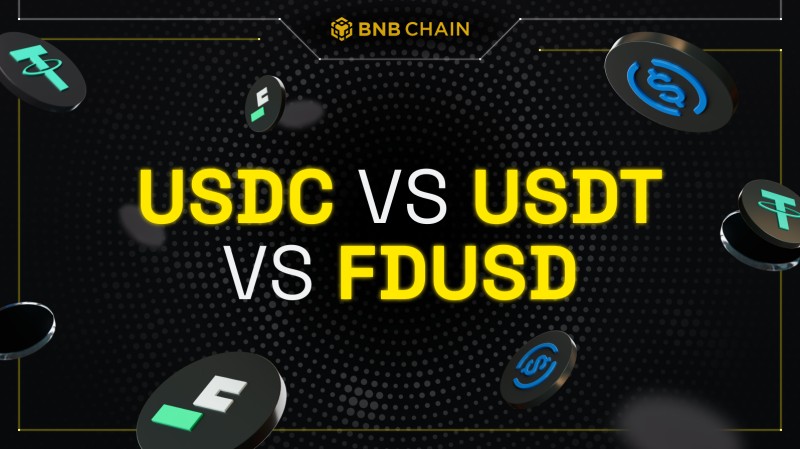
Let’s name the big ones. USDT is the oldest and most used, launched back in 2014. USDC came in 2018 with a focus on clear reserves and regular checks. BUSD showed up in 2019 from a major exchange. FDUSD is newer, from 2023, backed by cash or equal assets in segregated accounts. XUSD came later, tied to Singapore rules.
The split that matters is trust and paper trail. USDT has the deepest use and lots of liquidity, but people have asked for years about its reserves. USDC publishes monthly checks by outside firms, which makes some users breathe easier. BUSD brought exchange backing. FDUSD and XUSD are smaller but built with clear custody. Your pick depends on what you value.
Quick look at five stablecoins
- USDT: 2014, Tether, wide use, quarterly reports
- USDC: 2018, Circle, monthly third-party attestations
- BUSD: 2019, exchange-backed, regular audits
- FDUSD: 2023, cash or equal assets, segregated custody
- XUSD: Singapore-regulated, US dollars in regulated institutions

USDT Vs USDC: The Transparency Fight
This is the one people argue about. USDT says each coin is backed, and it shares reserve updates, but it has caught flak for slow or thin detail. USDC goes the other way, with monthly attestations by independent accountants. If you care about seeing the receipts, USDC makes that easier.
Both are pegged to the dollar and both trade almost everywhere. USDT usually has more volume, so it’s the go-to on many trading desks. USDC is favored inside DeFi and by folks who want a cleaner compliance story. Neither is perfect, and both rely on the issuer not messing up.
USDT has a larger market capitalization and wider adoption, while USDC focuses on transparency and regulatory compliance.
FDUSD And XUSD: The Newer Faces
FDUSD launched in 2023 and keeps its reserves in cash or liquid assets, away from other funds. It runs on Ethereum and BNB Chain and aims at payments, remittances, and DeFi. XUSD is issued from Singapore under local rules, fully backed by US dollars in regulated institutions, and built for cross-border settlement.
These two show where things are headed. More regions want clear rules, and more users want a coin they can redeem without drama. If you do business in Asia, XUSD’s setup may matter. If you just want a simple dollar token on a fast chain, FDUSD is fine.
Stablecoin Lending Yield And DeFi Numbers
Here’s a fun part. On DeFi platforms like Compound, you can lend stablecoins and earn a yield. Data from past studies showed USDC and USDT lending often beat the traditional risk-free rate by a wide margin. USDC averaged around 3.71 percent and USDT around 4.51 percent in that period, while the old GC rate sat near 0.08 percent.
The yield moves with supply and market action. When crypto prices rise, more people borrow stablecoins to buy, and the rate climbs. It’s not free of risk, smart contracts can break and loans can fail, but the gap vs traditional savings is real. Just don’t treat it like a bank.
What drives stablecoin lending yield
- Supply of stablecoins in the pool
- ETH and BTC price and volatility
- Momentum signals in the market
- Demand from borrowers during volatile times
Low-risk yields from collateralized lending of stablecoins through DeFi can consistently outperform the traditional risk-free rate.
How To Choose Based On Your Goals
This is the part you came for. If you want a wild bet and can stomach drops, Bitcoin or meme coins might fitsome. If you want to pay, save, or earn a yield without heart palpitations, stablecoins are the better tool. For crypto payroll or cross-border pay, stablecoins cut cost and speed things up.
For trading on big centralized venues, USDT has the deepest liquidity. For DeFi or regulated payments, USDC is the common pick. For B2B settlement in Asia with clean ramps, XUSD fits. Businesses should weigh trust, liquidity, and the exact use case. And if you ever wonder what is a good cryptocurrency to invest in , the answer starts with your own stomach for risk.
Picking by need
- Need stable payments: use a fiat-backed stablecoin
- Want DeFi yield: lend USDC or USDT on a known platform
- Want scarce long-term bet: look at Bitcoin
- Want compliant Asia flow: consider XUSD
Common Questions From The Stable Coin Vs Crypto Guide
People ask if stablecoins are safer than Bitcoin. They are less volatile, yes, but not risk-free. The reserve can be shaky, the issuer can stumble, or the code can fail. Another common ask is whether you can use both for daily buys. You can, but stablecoins make more sense when the price needs to stay put.
Folks also ask how much does cryptocurrency cost and the answer is: it depends on the coin and the day. A stablecoin aims to cost about one dollar. Bitcoin costs whatever the market says. That gap is why the stable coin vs crypto choice is really a choice about steadiness vs growth.
Stablecoins can mimic many features of traditional money but rely on tech infrastructure and regulatory acceptance; they complement rather than fully replace traditional money.
Where To Get Started Without Losing Your Lunch
If you’re new, don’t rush. You can look at exchanges to buy cryptocurrency that list the big stablecoins, and compare fees. A top 10 cryptocurrency trading app list can help you see which ones feel simple, but the best app is the one you actually understand. I’d start with a small amount and learn the ropes.
Some wonder can i buy crypto on webull or similar apps, and the truth is options change by region and platform. The safe move is to check the crypto exchange lists and see who operates where you live. And before you fund anything, ask what do i need to buy crypto like ID, bank link, and a basic wallet plan.
First steps before you buy
- Pick a platform that lists USDC or USDT
- Verify your ID and link a payment method
- Start small to learn how transfers work
- Keep coins on a method you control when possible
Crypto Currency Coins And The Calm Option
The broad world of crypto currency coins includes both the jumpers and the sitters. Stable coin vs crypto is not a fight where one wins, it’s a toolbox. You grab the calm coin when you need to pay or wait, and the volatile one when you’re willing to bet.
I keep coming back to this: know what you need before you pick. A coin that is great for trading may be awful for rent. A coin that is great for savings may bore an investor. That’s the whole game, and once it clicks, the meltdown fear fades.
Whether you're drawn to the excitement of meme coins or the reliability of stable projects, a balanced approach will be your best bet.
One Last Plain Note On Stable Coin Vs Crypto
At the end of the day, stable coin vs crypto is about your own plan. If you want a dollar that moves at internet speed, stablecoins deliver. If you want a scarce asset with upside and drama, the volatile coins are there. Me, I like having both within reach, calm for the bills and a small wild edge for the long haul.
Don’t let the jargon scare you off. The terms sound heavy but the ideas are light. Grab a trusted platform, start tiny, and let the use case lead. That’s how you pick without losing your mind, or your lunch.




Comments on “Stable Coin vs Crypto: How To Pick Without Losing Your Mind (Or Your Lunch)”
No comments yet. Be the first to share your thoughts.