
- Keep your private key offline in a chip
- Let you send and receive coins safe
- Show your balance with fiat value
- Back up with a recovery phrase on paper
This Is How To Use Your Dcent Card Wallet Without Losing Your Mind
10 October, 2026
0 comments
Getting To Know The Dcent Card Wallet
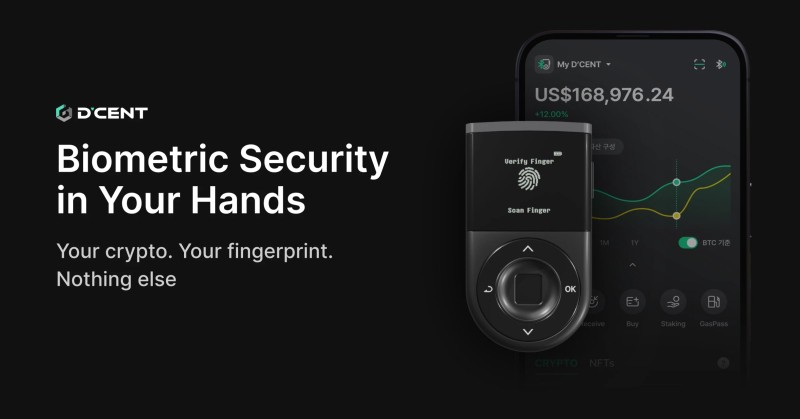
I got a dcent card wallet a while back and I wanna talk about how it actually works without making your head spin. The dcent card wallet is one of the hardware options made by IoTrust, a group with deep security know-how going back decades. They build wallets on secure-chip tech so your keys stay locked up. The card type is a simpler sibling to the biometric one, but the same core ideas apply.
A crypto wallet is just an app that holds your digital keys. It does not store the coins themselves. It stores the private key that proves you own the coins on the blockchain. If you want to know what a self custodial wallet is , it means you hold that key yourself and no company can freeze or lose it for you.
The public key is like a bank account number you give out to get paid. The private key is the secret code you never show anyone. Lose it and the coins are gone for good. That is why a cold storage cryptocurrency wallet matters so much.
Keys never leave the device. The browser is just a window, the wallet is the vault.
Why A Card Wallet Crypto Setup Makes Sense
Some folks want the best way to own crypto without carrying a brick in their pocket. A card wallet crypto style device slips in a wallet like a bank card. It keeps keys in a secure element chip. You still sign trades on the device, so malware on your computer cannot grab the key.
The dcent card wallet is part of a line that also includes a biometric wallet and a free software wallet. For most daily stuff, the card is enough. You do not need to be a crypto monk to use it. You just need to follow a few easy steps.
What a wallet should do for you
How To Open A Crypto Wallet Without The Panic
If you are new, the first step is to figure out how to open a crypto wallet the right way. With a dcent card wallet, you set it up once, write down the 24-word phrase on paper, and keep that paper in a safe spot. No photos, no cloud, no text file. That phrase is the only way to bring your coins back if the card breaks.
After setup, you add each coin account in the app before the balance shows. A lot of people think the deposit is missing when really they just forgot to add the account. Open the app, tap add account, pick the coin, done.
Even if the browser is hacked, the keys stay inside the secure element. Nothing to steal.
Using The Chrome Extension With Your Card
The D'CENT Wallet for Chrome lets you use the same hardware address on a big screen. You install it from the official store, plug in the card, and your existing wallet loads. No new seed phrase needed. The extension is just a display layer. Every sign happens on the device with a check on the screen.
This is a big deal if you trade on desktop. Software extension wallets keep keys in browser memory where malware can bite. With the dcent card wallet, the key never enters the browser. The device shows the recipient, amount, and network on its screen. You approve there.
One user I read about checks poses on the phone during a commute then compares yields side by side on desktop using the same address. Another signs governance votes on the card after reading the proposal on a monitor. The two screens help catch mistakes.
Good habits for the extension
- Install only from the official Chrome store
- Verify every detail on the device screen before sign
- Update firmware when told, data stays safe
- Bookmark dApp sites, check the URL each time
When Deposits Do Not Show Up
First fix: add the coin account. The app does not show a balance for a coin you did not add. Second fix: check the network. USDT on Ethereum is not the same route as USDT on BNB chain. If the network is wrong, the app cannot see the funds. Third fix: update firmware. New coins get added in updates.
If the card and app will not talk, it is usually Bluetooth or USB. Turn the card on, unlock, open app, allow the prompt, pull down to refresh. If stuck, close app, reopen, power-cycle the card. Small test send first, always.
Add the coin account first, then send a small test on the correct network.
Why Transfers Fail And How To Fix
Most failed sends are not the wallet's fault. They are blockchain rules. You need the native coin to pay the fee. Send USDT on Ethereum? You need ETH in that account. Send on BNB chain? You need BNB. No native coin, no go.
Tron uses bandwidth and energy. If you lack energy, the network burns TRX. Keep some TRX in the account. For XRP or XLM sent to an exchange, you must add the destination tag or memo. Skip it and the funds land in a shared pool with no name on them.
Native coin reserves to keep
- Ethereum: 0.001 to 0.005 ETH
- BNB Smart Chain: 0.001 to 0.003 BNB
- Tron: 5 to 50 TRX for energy
- XRP: 1 XRP min after reserve cut, XLM: 1, HBAR: 1
XRP and XLM keep a small min balance locked. You cannot send the whole pile. Hedera is nice here: when you make a new HBAR account in the wallet, the app puts up the 1 HBAR reserve for you. Close the account and it goes back to them.
Stuck Pending Or Out Of Energy
If a send sits in pending, check the tx hash on a block explorer. Wait if it shows pending there. If it failed, it was rejected. If not found, rebroadcast. On Ethereum you can speed up or replace if gas was low.
Tron out of energy means freeze some TRX for energy or keep a bigger TRX balance. A frequent TRC-20 sender should keep 100 plus TRX. The wallet cannot change Tron's rules. It just follows them.
D'CENT wallets follow blockchain rules but cannot change network-level behavior.
Keeping XRP HBAR And XDC Safe
A hardware wallet cuts key theft risk but not dumb signing risk. Approval phishing is real. A bad dApp asks for unlimited token approval and if you sign, it drains you. Check approvals each month in the app under tools. Revoke the ones you do not use.
XRP settles fast, so double-check the dest. No native staking exists, beware scam "XRP staking" sites. HBAR has real staking you sign in the app without sending coins away. XDC addresses start with xdc, verify the format before send.
Blockaid scan runs before sign. It flags known bad contracts and drainers. If it shows red, stop. The device screen is still your last line. User judgment wins.
Top Crypto Wallet Apps Versus The Card
People ask about top crypto wallet apps and where the card fits. The biometric D'CENT has fingerprint and full mobile. The card is the light option. Ledger and Trezor are good too but cost more or skip fingerprint. For under 150, the D'CENT line is the only one with biometric and zero hacks since 2018.
If you want a cheapest cold wallet , the card type is a solid pick. It is a cold storage cryptocurrency wallet that keeps keys off your computer. Just do not use it on a public PC where the screen could lie to you.
Quick compare of hardware
- D'CENT Biometric: fingerprint, EAL5+, under 150
- Ledger Nano X: no bio, EAL6+, about 149
- Trezor Safe 5: no bio, limited iOS, about 129
- Card type: simple, secure chip, no screen on some
Managing Many Wallets In One App
The app lets you make up to 100 wallet accounts in one place. I use separate ones for long hold, test, and NFT junk. Switch is instant. You can import from MetaMask or Phantom with the recovery phrase if you turn on the setting.
Portfolio view shows return per coin, avg cost, and total profit. Price graph for 1D, 7D, 1M, 1Y. Swap inside the app from the insight tab. It is a blockchain wallet app that does more than just store keys.
Create up to 100 wallet accounts within a single D'CENT App.
How To Send Crypto On Coinbase Vs Wallet
Folks often mix up exchange and wallet. If you wonder how to send crypto on coinbase , that is on their site with their rules. With your dcent card wallet, you send from your own key. The exchange holds theirs. Same coin, different control. Always match the network on both ends.
When moving from Coinbase to your card, pick the same network the wallet account uses. Send a small test. Check the tag for XRP or XLM. The wallet shows the receive address, you paste it in the exchange withdraw page. Simple but do not rush.
Getting A Crypto Card And Tag
Some want to know how to get crypto card that spends coins. The dcent card wallet is a key card, not a visa. You pair it with apps or services that issue spend cards. The wallet keeps the keys safe while the card app handles the spend.
For staking and DeFi, the card connects to HashPack for HBAR and Astar Portal for ASTR. Keys stay in the secure element. You sign with the device. That is the point of a cold storage cryptocurrency wallet: keys never touch the hot web.
Monthly Security Checklist That Matters
Hardware helps but you still gotta do the boring stuff. Check firmware each month. Audit token approvals on all networks. Make sure the paper phrase is safe. Drop dApp links you no longer use. Test a small send now and then.
Do these every month
- Check firmware updates in device management
- Audit token approvals, revoke unused
- Verify recovery phrase stored offline
- Review connected dApps, disconnect old
- Inspect device for tamper signs
- Monitor tx history for weird moves
Ignoring token approvals after dApp use is a top mistake. Revoke.
Common Goof Ups And The Fix
Forgot to add account: balance blank, fix by add account. Wrong network: coin sent but not seen, fix by using right chain. No native fee coin: send fails, fix by holding ETH or BNB. No destination tag: XRP lost in exchange pool, fix by contact support with txid.
Bluetooth pair fails: allow prompt, reboot, retry. Pending too long: check explorer, wait or replace. Out of energy on Tron: freeze TRX or keep balance. The dcent card wallet follows rules, it cannot bend them.
Final Bits On The Card Wallet Crypto Life
The dcent card wallet is a calm way to hold keys. It is not a toy, but it is not a mystery either. Learn the few rules, do the monthly check, and you can sleep fine. The card keeps your self custodial wallet promise real: you own the key, you sign the move.
If you want the best way to own crypto with low fuss, start with the card, add the Chrome tool for desktop, and keep the phrase on paper. That is the whole trick. No psych hold required.
Hardware protects keys from remote theft but not from signing a bad approval.
Comments on “This Is How To Use Your Dcent Card Wallet Without Losing Your Mind”
No comments yet. Be the first to share your thoughts.